
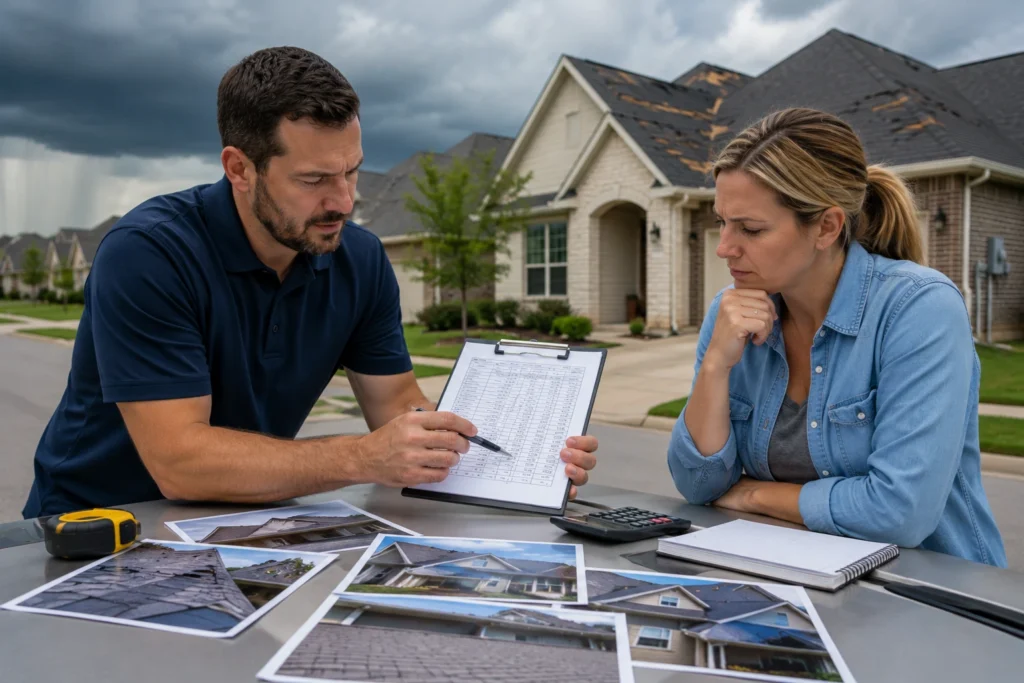
Property owners often assume that filing an insurance claim is straightforward. Damage occurs, the insurance company investigates, repairs are approved, and life returns to normal. Unfortunately, reality is often very different. This is precisely why a public adjuster changes the outcome of so many insurance claims. The difference between a well-documented, professionally managed claim and a poorly documented claim can amount to thousands or even tens of thousands of dollars.
Most homeowners and business owners file only a handful of insurance claims during their lifetime. Insurance companies, on the other hand, handle claims every day. That experience gap matters. When property damage occurs, emotions run high. People are worried about their homes, businesses, finances, and families. During those stressful moments, critical details can easily be missed. A public adjuster helps level the playing field. From documenting damage and interpreting policy language to negotiating with insurance carriers, public adjusters work exclusively for policyholders. Their goal is simple: ensure that covered damage is properly identified, documented, and valued. For property owners in Forney, severe weather, hailstorms, wind events, water losses, and fire damage can create complex claims that deserve careful attention. Understanding why a public adjuster changes the outcome may help you make better decisions when facing a property loss.
Understanding How Insurance Claims Actually Work
On the surface, the insurance claim process appears simple.
A typical claim follows several steps:
- Property damage occurs.
- The claim is reported.
- An inspection is scheduled.
- Damage is evaluated.
- Payment is issued.
Simple enough. However, every step contains decisions that affect the final settlement amount. Insurance claims are not just inspections. They are investigations.
Every claim involves questions such as:
- What caused the damage?
- When did it occur?
- Is the damage covered?
- How extensive is the damage?
- What repairs are necessary?
- What is the actual repair cost?
The answers to those questions directly influence claim outcomes. Many property owners assume that obvious damage is the only damage that matters. That’s rarely true. The most significant claim disputes often involve damage that is hidden, overlooked, or improperly evaluated.
The Biggest Misconception About Insurance Claims
One of the most common misunderstandings involves the role of the insurance company adjuster. Many policyholders assume the adjuster assigned to their claim is there to represent their interests. That is not the adjuster’s role. Insurance company adjusters work on behalf of the insurance carrier.
Their responsibility is to investigate the loss and evaluate the claim according to the insurer’s procedures and interpretation of the policy. This does not mean adjusters are dishonest. It simply means their role differs from the role of someone advocating exclusively for the policyholder. A public adjuster works for the property owner. That distinction matters.
Consider the difference between these perspectives:
| Insurance Company Adjuster | Public Adjuster |
| Represents insurer | Represents policyholder |
| Evaluates claim for carrier | Evaluates claim for property owner |
| Determines carrier position | Advocates for maximum covered recovery |
| Reports to insurance company | Reports to client |
This difference alone helps explain why a public adjuster changes the outcome in many situations.
What a Public Adjuster Actually Does
Many people hear the term “public adjuster” without fully understanding the role. A public adjuster is much more than a claim negotiator.
Their responsibilities often include:
Comprehensive Damage Investigation
The first step is determining the full extent of damage. This sounds obvious. Yet it is where many claims experience problems.
Damage investigations may include:
- Roof systems
- Siding
- Gutters
- Windows
- HVAC equipment
- Electrical systems
- Interior finishes
- Structural components
- Moisture intrusion
The goal is not simply identifying visible damage. The goal is identifying all covered damage.
Policy Analysis
Insurance policies are detailed legal contracts. Coverage often depends on specific policy language.
Public adjusters review:
- Coverage provisions
- Exclusions
- Endorsements
- Deductibles
- Additional coverage sections
- Time limitations
A policyholder may focus on damaged shingles. A public adjuster may identify additional coverages that significantly affect claim value.
Claim Preparation
Documentation often determines claim success.
A public adjuster helps prepare:
- Photographs
- Damage reports
- Measurements
- Repair estimates
- Inventories
- Supporting documentation
Strong evidence creates stronger claims.
Negotiation
Claims frequently involve disagreements.
Disputes may arise regarding:
- Cause of loss
- Scope of damage
- Repair methods
- Material pricing
- Replacement requirements
Public adjusters negotiate directly with carriers to resolve those issues.
Why a Public Adjuster Changes the Outcome
There is one simple reason why a public adjuster changes the outcome. They focus entirely on the claim. Most property owners are managing jobs, family responsibilities, repairs, and daily life while attempting to navigate a complicated insurance process. A public adjuster focuses on details many people simply don’t have time to evaluate.
They Find Damage Others Miss
Insurance claims often begin with visible damage. The problem is that visible damage may represent only part of the loss.
Examples include:
Roofing Components
A roof may show hail impacts.
However, additional damage may exist involving:
- Flashing
- Ridge caps
- Starter shingles
- Ventilation systems
- Underlayment
Missing these items can significantly affect repair costs.
Water Damage
Water rarely damages only one material.
Moisture can affect:
- Drywall
- Insulation
- Flooring
- Trim
- Electrical components
Surface staining may only be the beginning.
HVAC Damage
Storm-related impacts sometimes affect HVAC equipment. Dented condenser fins, damaged coils, and performance issues are occasionally overlooked during claim inspections.
They Build Better Documentation
Insurance companies rely on evidence.
Evidence includes:
- Photos
- Videos
- Measurements
- Contractor reports
- Expert opinions
The stronger the documentation, the stronger the claim. This is one reason why a public adjuster changes the outcome. A claim supported by extensive documentation often receives more serious consideration than one relying solely on verbal descriptions.
The Financial Impact of Incomplete Claims
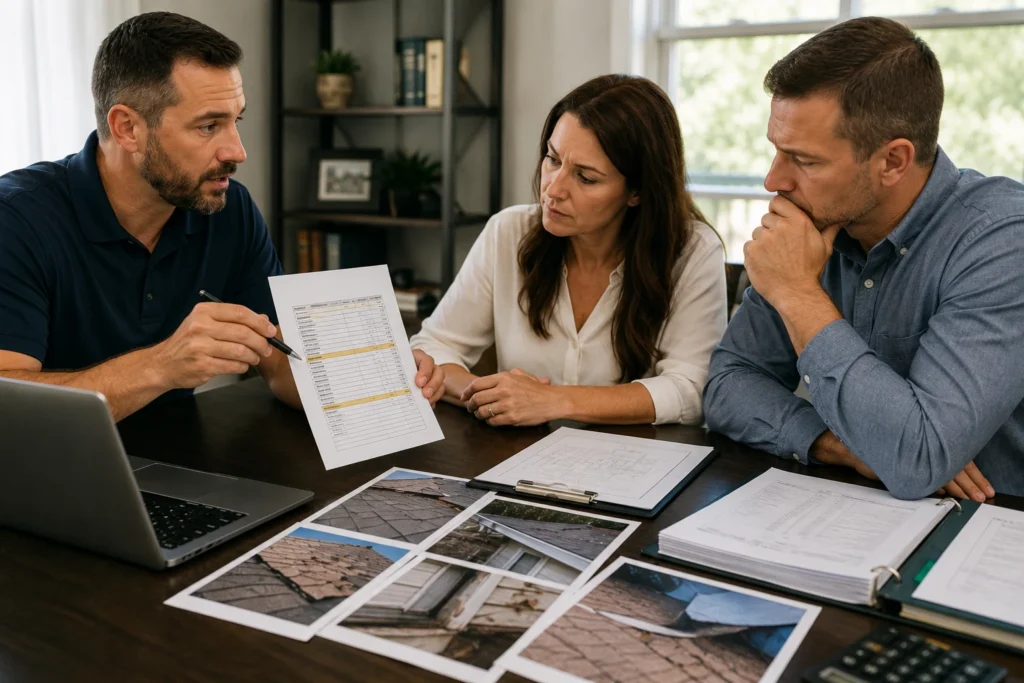
Even small omissions can create substantial settlement differences.
Consider the following example:
| Missing Item | Estimated Cost |
| Flashing replacement | $1,500 |
| Gutters and downspouts | $3,000 |
| Ventilation upgrades | $2,000 |
| Interior painting | $2,500 |
| Moisture remediation | $4,000 |
Total omitted value:
$13,000
That number can increase dramatically on larger losses. Many property owners focus exclusively on major repairs. However, insurance claims are often won or lost through smaller line items that accumulate into significant amounts.
Real Situations Where Public Adjusters Frequently Change Outcomes
Not every claim requires professional representation. However, certain situations commonly benefit from additional support.
Underpaid Claims
An insurance company may acknowledge damage but underestimate repair costs. This creates a settlement gap. The claim is technically approved. The funding is simply insufficient.
Delayed Claims
Delays create frustration. They also create financial pressure. Property owners often need repairs completed quickly. Public adjusters help maintain claim momentum by managing communications and documentation requests.
Denied Claims
Claim denials can feel overwhelming. Yet denial does not always mean the matter is closed. Additional evidence, expert analysis, and supplemental documentation may change the carrier’s position.
Supplemental Damage Discoveries
Initial inspections do not always reveal every issue. Additional damage may appear during demolition or repairs. When this occurs, supplemental claims may become necessary.
Large-Loss Claims
The larger the claim, the higher the stakes. Large residential and commercial claims often involve multiple trades, extensive documentation, and significant financial exposure. These situations frequently illustrate why a public adjuster changes the outcome.
Why Documentation Often Determines Success
Insurance companies pay based on evidence. That principle sounds simple. Yet it drives nearly every claim decision.
Strong documentation answers important questions:
- What was damaged?
- How severe was the damage?
- What caused it?
- What repairs are required?
- How much will those repairs cost?
Without evidence, those questions become difficult to answer.
In some cases, documentation becomes so technical that it resembles a form of epistemology the study of how knowledge is established and validated. Insurance claims ultimately depend on proving what is known, what can be demonstrated, and what evidence supports those conclusions. This is why photographs matter. This is why measurements matter. This is why timelines matter. And this is why documentation frequently separates successful claims from disputed claims.
Immediate Steps After a Hailstorm
Hail claims provide an excellent example of how claim outcomes are influenced by early decisions. The first hours and days after a storm are important.
Recommended actions include:
- Photograph visible damage
- Document storm conditions
- Preserve damaged materials when possible
- Schedule a professional inspection
- Create a damage inventory
- Save repair receipts
- Report the loss promptly
These actions help create a stronger foundation for the claim process. More importantly, they help prevent critical evidence from disappearing before inspections occur.
Negotiation Changes Everything
Many property owners assume the insurance company’s first estimate is final. It isn’t. In fact, claim negotiations occur more frequently than most people realize. Insurance claims are not always black and white.
There may be disagreements involving:
- Repair methods
- Material matching
- Building code requirements
- Scope of damage
- Labor costs
- Replacement versus repair
These disagreements directly affect settlement amounts. This is another reason why a public adjuster changes the outcome. Public adjusters understand how to present evidence in a way that supports the claim. Rather than simply arguing that more money is needed, they provide documentation, measurements, reports, and repair justifications that support their position.
The Difference Between Accepting and Negotiating
Consider two property owners with identical storm damage. The first accepts the initial estimate without review.
The second conducts a detailed evaluation, identifies omitted items, and presents additional supporting documentation. Which claim is more likely to receive further consideration?
The answer is obvious. Insurance carriers evaluate evidence. Strong evidence often leads to stronger outcomes. Negotiation is not confrontation. It is communication supported by facts.
Resolving Scope Disputes
One of the most common claim disagreements involves scope. Scope refers to the work necessary to restore the property.
For example:
An insurer may approve replacing a portion of damaged roofing. A contractor may determine that building requirements, material availability, or damage patterns require a larger replacement area. Resolving those differences requires documentation. Public adjusters help organize and present that information.
Resolving Pricing Disputes
Pricing disputes are also common. Material costs fluctuate. Labor costs change. Local market conditions vary. A repair estimate prepared months earlier may no longer reflect current costs. Public adjusters often review pricing assumptions to ensure claim valuations accurately reflect real-world repair expenses.
The Local Advantage: Why Forney Property Owners Benefit From Local Claim Expertise
Property damage is not the same everywhere. Regional weather patterns matter. Construction methods matter. Local building costs matter. For property owners in Forney, these factors can significantly influence insurance claims.
Understanding Local Weather Risks
North Texas experiences severe weather throughout the year.
Property owners in Forney frequently encounter:
- Hailstorms
- Windstorms
- Heavy rain events
- Lightning strikes
- Water intrusion
- Roof damage
These events can create damage that extends far beyond what is visible from the ground. A roof may appear functional while sustaining substantial impact damage. Exterior components may hide moisture intrusion. Windows, gutters, and HVAC systems may show subtle signs of damage that require closer inspection. Understanding these regional patterns helps improve claim investigations.
Knowledge of Local Construction Costs
Repair costs vary by market. Labor rates in one region may differ substantially from another. Material availability can affect pricing. Contractor demand following widespread storms can increase costs significantly. A claim should reflect the actual cost to restore the property in the local market. That is particularly important following major weather events that affect large portions of the Forney area.
Understanding Regional Damage Patterns
Different storms create different damage patterns. Hail damage differs from wind damage. Wind damage differs from water intrusion. Fire damage differs from smoke contamination. Recognizing these distinctions allows for more accurate documentation and claim preparation.
Common Reasons Property Owners Wait Too Long
Many policyholders do not seek assistance immediately. That hesitation is understandable. People often assume the claim process will resolve itself. Unfortunately, delays can create complications.
Believing the First Estimate Is Correct
Insurance estimates may be accurate. They may also require revision. Without a thorough review, property owners may never know whether important items were omitted.
Assuming Damage Is Obvious
Some damage is obvious. Some is not. Water intrusion, structural movement, insulation damage, and hidden moisture issues frequently require deeper investigation.
Trusting the Process Will Automatically Produce a Fair Outcome
Insurance claims involve documentation, evidence, and evaluation. Good outcomes generally result from thorough preparation. Claims rarely improve simply because time passes.
Waiting Until Deadlines Approach
Insurance policies often contain reporting requirements and deadlines. Waiting too long can create unnecessary obstacles. Early action typically provides more options.
Why Early Action Often Produces Better Results
Evidence is strongest shortly after a loss. Photographs are clearer. Damage conditions are easier to document. Witness recollections are fresher. Repair costs are easier to validate. The sooner damage is properly evaluated, the stronger the claim foundation often becomes.
When Hiring a Public Adjuster Makes the Most Sense
Not every claim requires representation. However, certain situations commonly justify professional assistance.
Significant Property Damage
Large losses generally involve more documentation, more repairs, and greater financial exposure. The stakes are higher. Mistakes become more costly.
High-Dollar Claims
As claim values increase, even small percentage differences can represent substantial amounts of money. A ten percent discrepancy on a major claim can translate into thousands of dollars.
Commercial Property Claims
Commercial losses often involve:
- Business interruption
- Equipment damage
- Tenant issues
- Complex repair scopes
- Operational disruptions
These claims frequently require extensive documentation.
Claim Disputes
When disagreements arise regarding coverage, pricing, scope, or causation, professional representation may become valuable.
Denied Claims
Denials should not automatically be viewed as the end of the process. Additional evidence sometimes changes outcomes.
Fire Losses
Fire claims often involve more than visible burn damage. Smoke contamination, water damage from firefighting efforts, structural concerns, and content losses can dramatically increase complexity.
Water Damage Claims
Water claims frequently involve hidden issues that develop over time. Moisture trapped behind walls or beneath flooring may require specialized evaluation. These situations regularly demonstrate why a public adjuster changes the outcome.
Questions to Ask Before Hiring a Public Adjuster
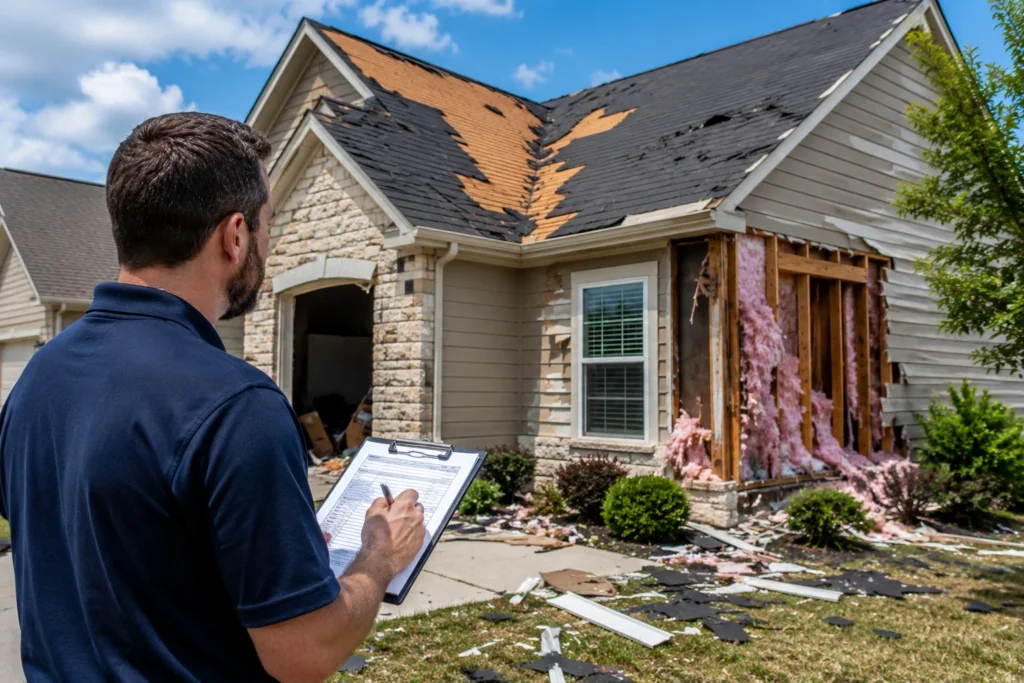
Choosing representation is an important decision. Property owners should conduct careful research. Consider asking the following questions.
Are You Licensed?
Licensing requirements vary by state. Verify credentials before proceeding.
What Types of Claims Do You Handle?
Some professionals focus primarily on:
- Residential claims
- Commercial claims
- Fire losses
- Water damage
- Storm damage
Experience relevant to your specific situation matters.
How Do You Document Damage?
Ask about:
- Inspection procedures
- Photography methods
- Estimating software
- Expert resources
Thorough documentation often drives successful outcomes.
How Will Communication Be Handled?
Understanding communication expectations helps avoid misunderstandings later.
How Is Compensation Structured?
Public adjusters generally work using contingency-based fee arrangements. Property owners should understand all terms before signing agreements.
The Cost of Not Having Representation
Many discussions focus on the cost of hiring a public adjuster. A better question may be: What is the cost of inadequate claim representation?
Missed Damage
Undocumented damage often remains uncompensated. If it is not identified, measured, and supported, it may never become part of the claim.
Underpaid Estimates
Incomplete estimates can leave property owners responsible for substantial out-of-pocket expenses.
Delayed Recovery
Claim complications often slow repairs. The longer repairs take, the longer normal life remains disrupted.
Increased Stress
Insurance claims require time. Gathering documents, scheduling inspections, responding to requests, reviewing estimates, and tracking communications can become overwhelming. Many property owners appreciate having an experienced professional manage those responsibilities.
Long-Term Financial Consequences
Insurance claims affect more than immediate repairs.
Underfunded settlements can impact:
- Property value
- Long-term maintenance
- Business operations
- Personal finances
The effects may persist long after the claim closes. This reality is one of the strongest examples of why a public adjuster changes the outcome.
Why a Public Adjuster Changes the Outcome: Key Takeaways
After examining the claims process from start to finish, a pattern becomes clear. Insurance claims are not solely about damage. They are about proving damage. They are about documenting damage. They are about valuing damage accurately. Most importantly, they are about presenting evidence that supports a fair settlement. This is why a public adjuster changes the outcome for many policyholders. They identify damage that might otherwise be missed.
They build stronger documentation. They understand policy language. They organize evidence. They manage communications. They negotiate disputes. They focus on maximizing covered recovery while helping property owners navigate a process that can often feel overwhelming. Whether the loss involves hail, wind, fire, water, or another covered event, claim outcomes are heavily influenced by preparation and documentation.
For homeowners and business owners facing significant property damage, the difference between an average claim and a thoroughly prepared claim can be substantial. The goal is not simply receiving a payment. The goal is receiving the settlement necessary to properly restore the property. That objective becomes far more achievable when every aspect of the claim is carefully evaluated, documented, and presented.
Ultimately, that is why a public adjuster changes the outcome. For property owners throughout Forney and the surrounding communities, understanding the value of professional claim representation may be one of the most important decisions made after a loss. When significant damage occurs, having an experienced advocate focused solely on your interests can help ensure that no detail is overlooked and no covered damage goes undocumented.
FAQs
A public adjuster represents the policyholder by documenting damage, preparing the claim, and negotiating with the insurance company on their behalf.
An insurance company adjuster works for the insurer, while a public adjuster works exclusively for the property owner.
Yes. A public adjuster can review the denial, gather additional evidence, and help challenge the insurance company’s decision when appropriate.
The best time is often shortly after a loss occurs, especially when dealing with significant damage, complex claims, or claim disputes.
Yes. Public adjusters frequently assist with hail damage claims by identifying overlooked damage and ensuring proper documentation.
A public adjuster cannot guarantee a specific outcome, but they can help ensure all covered damage is properly documented and valued.
Most states require public adjusters to be licensed and regulated, so it’s important to verify credentials before hiring one.
They commonly handle fire, water, storm, hail, wind, commercial property, and other property damage insurance claims.
In many cases, a public adjuster helps keep the claim organized and moving forward by managing documentation and communication.
Large losses often involve complex damage assessments and significant financial exposure, making professional representation particularly valuable.