
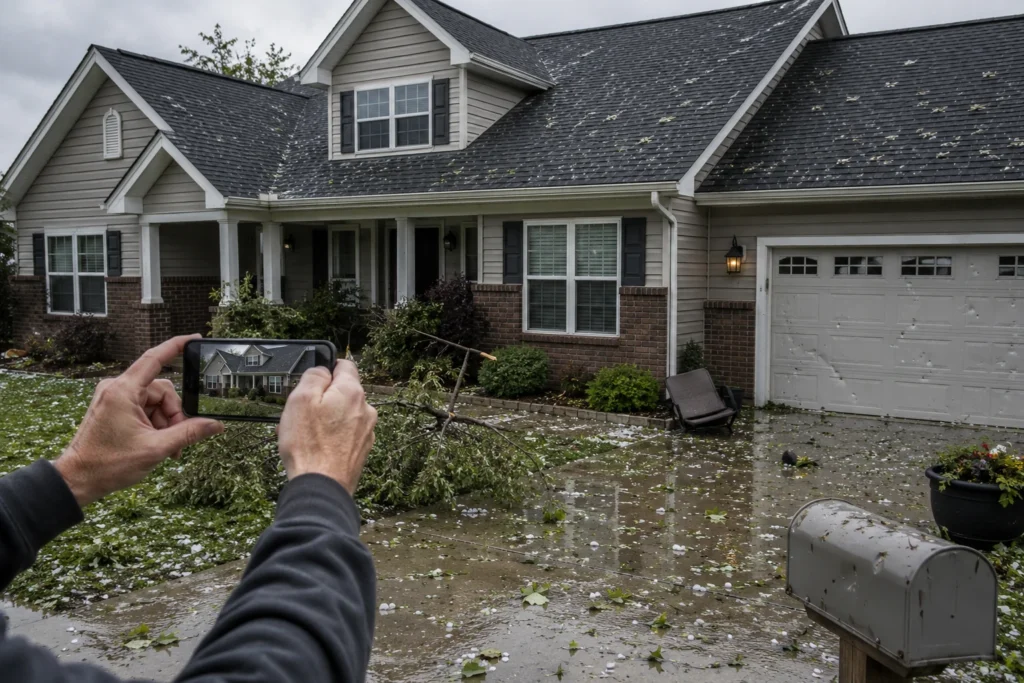
A hailstorm can end in a matter of minutes. The damage it leaves behind can last for years. That’s why understanding the immediate steps after a hailstorm is so important. The actions you take during the first few hours after severe weather can influence repair costs, property protection, and the outcome of any insurance claim. Many homeowners walk outside after a storm, glance at their roof, and assume everything survived without issue. Sometimes that’s true.
Often, it isn’t. Hail damage isn’t always obvious. A roof can sustain significant impacts without displaying dramatic visual signs from the ground. Gutters may be dented. Flashing may be compromised. Water intrusion may already be developing behind walls and ceilings.
I’ve seen situations where what appeared to be minor damage eventually resulted in expensive repairs months later. The good news is that a systematic response can help protect both your property and your claim. This guide explains the most important immediate steps after a hailstorm, helping homeowners make informed decisions when every hour matters.
Understanding the Dangers Hailstorms Leave Behind
Not every hailstorm creates severe property damage. However, even moderate hail can leave behind hidden problems that become increasingly expensive if ignored.
Common forms of hail-related damage include:
- Roof shingle bruising
- Granule loss
- Cracked siding
- Damaged flashing
- Broken windows
- Dented gutters
- HVAC system impacts
- Water intrusion
The challenge is that some forms of damage remain hidden immediately after the storm. A small impact today may become a roof leak six months later. A dented flashing component may eventually allow moisture to enter the structure. Because of this, homeowners should approach every significant hail event with caution and diligence.
Step 1: Prioritize Safety First
Before taking photographs or inspecting damage, focus on safety. Storms often leave hazards that have nothing to do with hail itself.
Walk around the property carefully and look for:
- Downed power lines
- Fallen tree limbs
- Broken glass
- Damaged utility equipment
- Loose roofing materials
- Flooded electrical areas
If electrical hazards are present, stay away from the area and contact the utility provider immediately. Property can be repaired. Personal injuries can have much longer consequences.
Protect Children and Pets
Children naturally want to explore. Pets may not recognize dangerous conditions.
Keep everyone away from:
- Damaged fences
- Fallen branches
- Broken windows
- Standing water
- Construction debris
Simple precautions often prevent serious accidents.
Step 2: Perform a Preliminary Exterior Inspection
Once conditions are safe, conduct a careful visual inspection from ground level. Notice the emphasis on ground level. Do not climb onto the roof. Many post-storm injuries occur because homeowners attempt roof inspections without proper training or equipment. Instead, slowly walk around the entire property. Inspect every side of the structure.
Common Areas to Examine
Pay close attention to:
- Gutters
- Downspouts
- Siding
- Garage doors
- Window screens
- Exterior lighting
- Mailboxes
- Fencing
- Outdoor furniture
Hail frequently leaves impact marks on softer materials. Those dents often become valuable evidence later.
Document Everything
One of the most important immediate steps after a hailstorm is documentation. Take photographs immediately. Then take more. Capture the property from multiple angles. The goal is to create a complete visual record.
| Photo Type | Purpose |
| Wide-angle photos | Show overall property condition |
| Mid-range photos | Identify damage locations |
| Close-up photos | Document specific impacts |
| Multiple angles | Strengthen evidence |
Digital photos cost nothing. Missing evidence can become expensive.
Step 3: Inspect the Roof Safely
Roof damage is among the most common forms of hail-related property loss. Unfortunately, it is also one of the easiest types of damage to overlook.
Avoid Climbing the Roof
This recommendation cannot be overstated. Even experienced homeowners should avoid climbing onto a potentially damaged roof immediately after a storm. Surfaces may be slippery. Roofing materials may be weakened. Structural damage may not be visible.
Instead, use:
- Binoculars
- Smartphone zoom features
- Cameras with telephoto lenses
These tools allow safe inspections from the ground.
Warning Signs of Roof Damage
Look for:
- Missing shingles
- Torn shingles
- Exposed roofing materials
- Loose ridge caps
- Granule buildup in gutters
- Visible impact marks
While these signs do not reveal the full extent of damage, they often indicate the need for a professional inspection.
Step 4: Check for Interior Damage
Many homeowners focus entirely on the outside of the house after a hailstorm. That can be a costly mistake. Some of the most serious damage develops inside the structure.
Inspect Ceilings Carefully
Look for:
- Water stains
- Brown discoloration
- Bubbling paint
- Sagging drywall
These conditions may indicate active water intrusion.
Examine Walls
Pay special attention to:
- Exterior-facing walls
- Window openings
- Corners and ceiling joints
Moisture often appears in these areas first.
Check the Attic
The attic frequently reveals damage before it becomes visible elsewhere.
Inspect for:
- Damp insulation
- Water staining
- Mold development
- Visible daylight entering through the roof
Even minor moisture should be investigated. Small leaks rarely remain small.
Step 5: Prevent Additional Property Damage
Insurance policies generally require homeowners to take reasonable steps to prevent further damage after a loss. This does not mean performing permanent repairs immediately. It means protecting the property from worsening conditions.
Temporary Protective Measures
Examples include:
- Installing emergency tarps
- Covering broken windows
- Protecting exposed roof sections
- Redirecting water intrusion
Always photograph damage before making temporary repairs. Documentation should come first whenever possible.
Save Every Receipt
Keep records for:
- Emergence materials
- Labor costs
- Equipment rentals
- Temporary mitigation expenses
These costs may become important during the claim process. Create a dedicated folder immediately. Future you will appreciate the organization.
Step 6: Create a Detailed Damage Inventory
A comprehensive inventory transforms scattered observations into organized evidence. Start with the exterior.
Exterior Damage Inventory
Document:
- Roofing
- Gutters
- Downspouts
- Siding
- Windows
- Doors
- Garage doors
- Decks
- Patios
- Fences
Be specific. Instead of writing “gutter damage,” note the exact location and severity. Detailed records are more useful than general observations.
Interior Damage Inventory
Continue inside the property.
Include:
- Ceilings
- Walls
- Flooring
- Cabinets
- Furniture
- Electronics
- Appliances
- Personal belongings
Photographs should accompany written descriptions whenever possible.
Detached Structures Matter Too
Homeowners frequently overlook detached structures after a storm.
Inspect:
- Storage sheds
- Detached garages
- Gazebos
- Pergolas
- Outdoor kitchens
- Pool structures
These areas may contain significant damage that should not be ignored.
Why Detailed Inventories Matter
The strongest claims are often supported by the strongest documentation.
Detailed inventories help establish:
- The scope of damage
- Affected components
- Potential repair needs
- Property conditions immediately after the storm
The time invested in documentation today may save substantial time and frustration later. At this point, you’ve completed several of the most important immediate steps after a hailstorm. You’ve prioritized safety, documented conditions, inspected the property, protected against additional damage, and created an organized record of your observations. The next phase involves gathering weather documentation, scheduling professional inspections, working through the insurance process, and identifying hidden damage that many homeowners miss entirely.
Step 7: Gather Storm Documentation
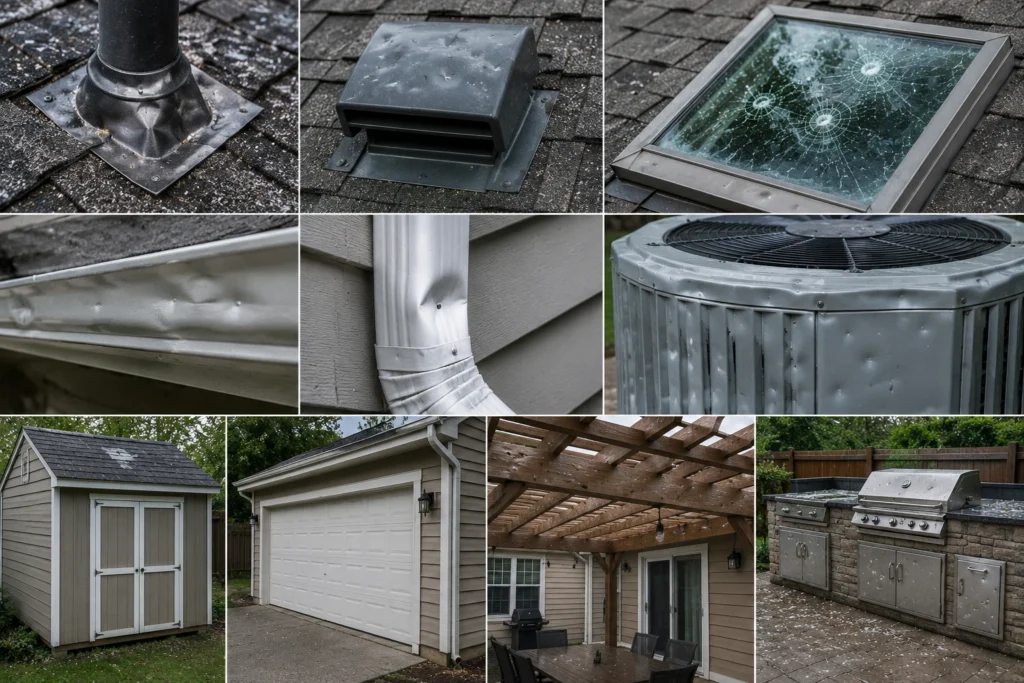
Photographs are powerful evidence. Weather records can be equally valuable. Many homeowners focus exclusively on visible damage while overlooking the importance of documenting the storm itself. Weather data can help establish that a damaging hail event occurred in your area on a specific date.
Obtain Local Weather Information
Useful records may include:
- Storm dates
- Hail size reports
- Radar imagery
- Weather service summaries
- Local storm reports
These records often help support the overall timeline of the loss.
Create a Storm Timeline
Organization matters. Create a simple chronology documenting key events.
For example:
| Event | Date |
| Hailstorm Occurred | Day 1 |
| Damage Discovered | Day 1 |
| Photos Taken | Day 1 |
| Temporary Repairs Completed | Day 2 |
| Inspection Scheduled | Day 3 |
| Claim Filed | Day 4 |
A timeline helps create a clear narrative and keeps important details from being forgotten.
Step 8: Schedule a Professional Inspection
One of the smartest immediate steps after a hailstorm is obtaining a professional inspection. Homeowners are not expected to identify every form of hail damage. In fact, many impacts remain hidden without specialized training and experience.
Damage Frequently Missed by Homeowners
Commonly overlooked issues include:
- Shingle bruising
- Granule displacement
- Flashing impacts
- Vent damage
- Ridge cap damage
- Skylight impacts
- Soft metal dents
These conditions can affect both repair scope and long-term performance.
What a Professional Inspection Should Include
A quality inspection report should provide:
- Photographs
- Measurements
- Damage descriptions
- Repair recommendations
- Supporting observations
Keep both digital and physical copies whenever possible. Inspection reports often become important claim documents.
Step 9: Notify Your Insurance Company
After documenting damage and scheduling inspections, contact your insurance company. Prompt reporting generally helps prevent unnecessary complications.
Information to Gather Before Calling
Prepare:
- Policy number
- Property address
- Storm date
- Photographs
- Inspection findings
- Contact information
Having this information available makes the reporting process smoother.
Avoid Common Reporting Mistakes
Do not:
- Guess repair costs
- Exaggerate damage
- Omit relevant facts
- Discard evidence
Accuracy matters. A clear and honest description of conditions serves homeowners far better than assumptions or estimates.
Understanding the Insurance Inspection Process
After a claim is filed, an adjuster is typically assigned to evaluate the reported damage. Many homeowners are unsure what to expect during this stage. Understanding the process can reduce uncertainty.
Areas Typically Reviewed
Adjusters often inspect:
- Roofing systems
- Gutters
- Downspouts
- Siding
- Windows
- Exterior elevations
- HVAC systems
- Interior water damage
The observations made during this inspection may influence the claim outcome. This is one reason why documentation gathered during the immediate steps after a hailstorm is so valuable. Photographs and records create a snapshot of property conditions before repairs begin.
Keep Organized Claim Records
As the claim progresses, paperwork tends to accumulate quickly. Without organization, important information can become difficult to locate.
Create a Dedicated Claim Folder
Recommended categories include:
| Folder Category | Contents |
| Photos | Exterior and interior damage |
| Videos | Walkthrough recordings |
| Estimates | Contractor proposals |
| Insurance Documents | Claim correspondence |
| Receipts | Emergency expenses |
| Inspection Reports | Professional findings |
Digital storage systems often make organization easier. Cloud backups provide additional protection.
Maintain a Communication Log
Track every conversation.
Record:
- Date
- Time
- Representative name
- Contact information
- Discussion summary
This simple practice often proves incredibly useful later.
Watch for Supplemental Damage Discoveries
Not all hail damage appears immediately. Some of the most expensive problems develop gradually.
Delayed Roof Leaks
A roof may sustain impact damage without leaking right away. Over time, weakened materials can allow water infiltration.
Watch for:
- Ceiling stains
- Damp insulation
- Musty odors
- Paint deterioration
- Mold development
HVAC Performance Issues
Air conditioning systems frequently continue operating after hail impacts. However, damaged fins and coils can reduce efficiency.
Potential warning signs include:
- Higher utility bills
- Reduced cooling performance
- Longer operating cycles
Continue Documentation
Whenever new damage is discovered:
- Photograph it
- Record the date
- Notify the insurance company
- Save supporting documentation
Ongoing records strengthen claim documentation.
Common Hail Damage Areas Frequently Overlooked
Many homeowners focus exclusively on shingles. That approach can leave important damage undocumented.
Flashing Systems
Flashing protects roof transitions and penetrations. Hail impacts can dent or weaken these components.
Roof Vents
Vent covers are highly vulnerable to hail strikes. Damage may affect both appearance and performance.
Skylights
Hairline fractures can be difficult to identify immediately. Even small cracks may eventually lead to leaks.
Gutters and Downspouts
Dents in gutters often provide some of the clearest evidence of hail activity. These impacts frequently help establish storm severity.
Air Conditioning Equipment
Condenser units are common hail targets. Damage may reduce efficiency even when the system continues operating.
Detached Structures
Always inspect:
- Sheds
- Detached garages
- Pergolas
- Gazebos
- Outdoor kitchens
Storm damage is not limited to the main structure.
Mistakes Homeowners Should Avoid After a Hailstorm
Knowing what not to do can be just as important as knowing what to do.
Delaying Inspections
The longer damage remains undocumented, the more difficult it may become to establish its cause. Prompt inspections are always preferable.
Throwing Away Damaged Materials
Retain damaged materials whenever practical. They may become useful evidence later.
Making Permanent Repairs Too Soon
Temporary mitigation is appropriate. Permanent repairs should generally wait until documentation is complete and claim-related inspections have occurred.
Failing to Photograph Damage
Photographs often become some of the strongest pieces of evidence available. Take more than you think you’ll need.
Missing Policy Deadlines
Insurance policies often contain reporting requirements. Review your policy and act promptly.
When a Public Adjuster May Be Helpful
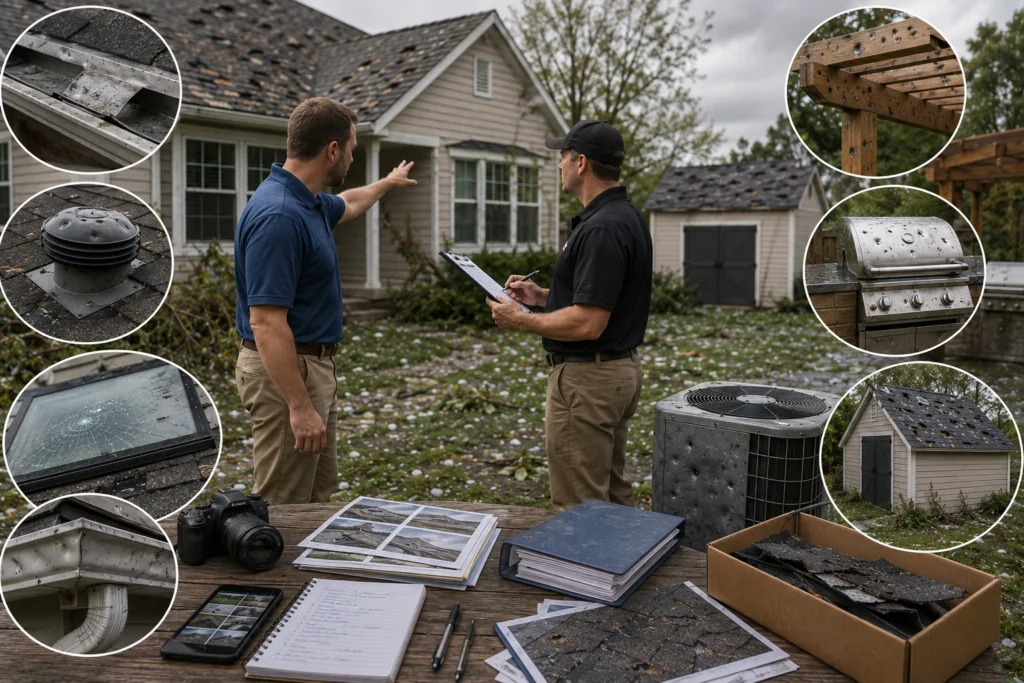
Many claims proceed smoothly. Others become more complicated. Large losses, conflicting damage assessments, and disputes regarding repair scope can create challenges for property owners. In these situations, some homeowners seek assistance from a public adjuster.
Situations That May Benefit From Additional Support
Examples include:
- Extensive roof damage
- Multiple damaged structures
- Large repair estimates
- Coverage disagreements
- Supplemental damage disputes
A public adjuster represents the policyholder rather than the insurance company. Their responsibilities differ from those of an insurance company adjuster.
Understanding Different Adjuster Roles
Many homeowners are familiar with claim professionals such as an insurance company adjuster or a Fire Insurance Adjuster who specializes in fire-related losses. Storm claims may involve different professionals depending on the type and complexity of the damage.
Understanding these roles helps homeowners better navigate the claim process. By this stage, many of the critical immediate steps after a hailstorm have been completed. The property has been inspected, documentation has been gathered, claims have been initiated, and potential hidden damage has been identified. The final phase focuses on long-term protection, hail-specific risks, homeowner preparedness, and special considerations for property owners in Forney.
FAQs
Start by ensuring everyone’s safety, then document visible damage and inspect the property from the ground before contacting professionals.
You should inspect it from the ground only. Climbing onto a potentially damaged roof can be dangerous.
Yes. Hail can cause bruising, granule loss, flashing damage, and other issues that are not immediately visible.
File your claim as soon as possible after discovering damage to avoid delays and preserve important evidence.
Take photos of roofing, gutters, siding, windows, HVAC equipment, interior damage, and any impacted personal property.
Yes. Hail can dent condenser fins and coils, reducing efficiency and potentially shortening the system’s lifespan.
Only perform temporary measures to prevent additional damage. Permanent repairs should generally wait until documentation is complete.
Professionals can identify hidden damage that homeowners often miss, helping create a more complete damage assessment.
Save photographs, inspection reports, receipts, repair estimates, weather reports, and all claim-related correspondence.
You may consider contacting a public adjuster if your claim involves extensive damage, disputes, or complicated loss assessments.