
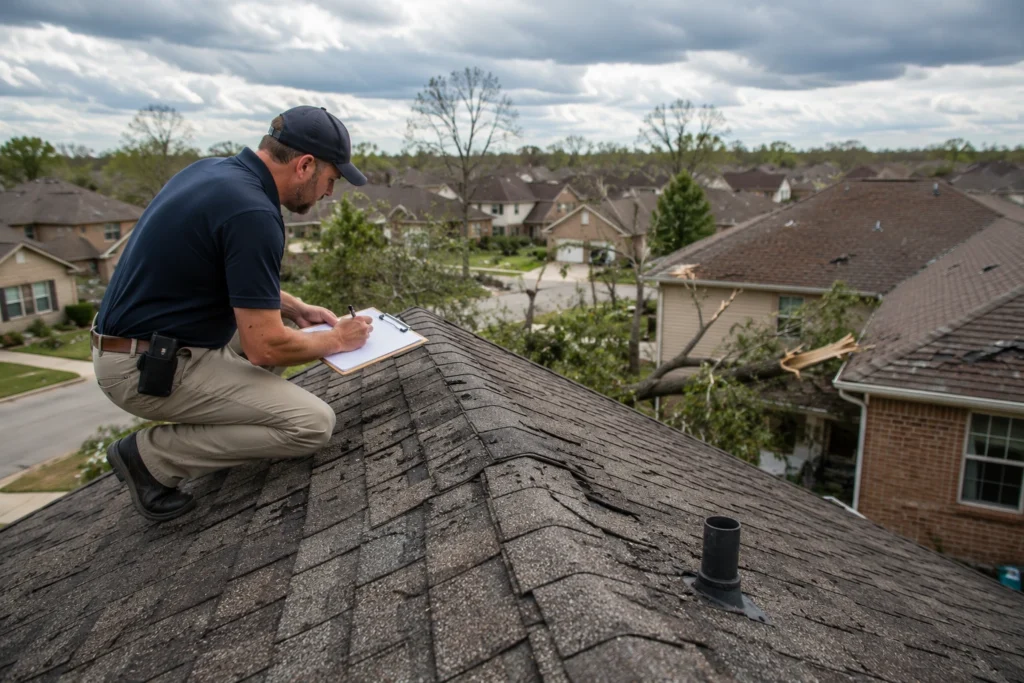
When property owners start researching what insurance adjusters miss on roof claims, they are often already facing a frustrating situation. The insurance company inspected the roof. An estimate was prepared. A settlement offer arrived.
Yet something feels off. Maybe the payment seems too low. Maybe the contractor found additional damage. Or perhaps leaks appeared after the claim was supposedly resolved. These situations happen more often than many homeowners realize. Insurance adjusters play an important role in the claims process. However, no inspection is perfect. Roof systems are complex. Storm damage is not always obvious. Time limitations, safety concerns, and inspection constraints can cause important components to be overlooked.
The result? Property owners may receive settlements that fail to account for the full scope of damage. That can create significant financial consequences months or even years later. Let’s examine the most common issues insurance adjusters miss on roof claims and what homeowners can do to protect themselves.
Understanding the Roof Insurance Claim Process
Most roof claims begin after a storm. A homeowner notices missing shingles. Hail dents appear on gutters. Water stains develop on ceilings. Sometimes a roofing contractor identifies damage during a routine inspection.
The claim process typically follows a familiar path:
- Damage is discovered.
- The insurance carrier is notified.
- An adjuster is assigned.
- The property is inspected.
- An estimate is prepared.
- Coverage decisions are made.
- Payment is issued.
Simple enough.
However, the quality of the inspection often determines the outcome of the entire claim. If damage is overlooked during the inspection phase, it may never appear in the estimate. And if it isn’t in the estimate, it usually isn’t included in the payment.
What Insurance Adjusters Are Actually Looking For
Many homeowners assume adjusters perform exhaustive roofing evaluations. In reality, adjusters are often tasked with documenting visible damage and estimating repair costs based on what can reasonably be observed during the inspection.
They may inspect:
- Shingles
- Gutters
- Roof vents
- Flashing
- Interior water stains
- Exterior storm impacts
But roof systems contain many more components than what is immediately visible. This is one reason why understanding what insurance adjusters miss on roof claims becomes so important. A roof is not just shingles. It is an interconnected system of materials working together to keep water outside the structure.
Why Roof Damage Gets Missed
Several factors contribute to incomplete roof evaluations.
High Claim Volume After Storms
Major hailstorms and wind events can generate thousands of claims. Adjusters may inspect multiple properties each day. Naturally, time becomes a limiting factor. Even highly experienced professionals face challenges when handling large claim volumes.
Hidden Damage Cannot Always Be Seen
Some damage exists beneath roofing materials.
Examples include:
- Damaged underlayment
- Compromised decking
- Moisture intrusion
- Fastener failures
- Separation of roofing layers
These issues may remain invisible until repairs begin.
Roofing Expertise Varies
Not every adjuster specializes in roofing systems. Some have extensive construction backgrounds. Others may have broader claims experience that spans multiple property types. As a result, subtle roofing issues can sometimes go unnoticed.
Safety Restrictions
Steep roofs. Wet surfaces. Multi-story structures. Certain inspections may be limited by safety concerns. If portions of the roof cannot be safely accessed, damage may be harder to identify.
Roofing Systems Are More Complex Than Most People Realize
One of the biggest misconceptions in property insurance involves viewing the roof as a single component. It isn’t.
Modern roofing systems contain numerous interconnected parts.
| Roof Component | Function |
| Shingles | Primary weather barrier |
| Underlayment | Secondary moisture protection |
| Decking | Structural foundation |
| Flashing | Directs water away from vulnerable areas |
| Ridge Caps | Protect roof peaks |
| Starter Shingles | Secure roof edges |
| Ventilation Components | Regulate attic airflow |
| Fasteners | Secure roofing materials |
When one component fails, others often become affected. Unfortunately, some claim estimates focus primarily on visible shingle damage while overlooking supporting components.
Starter Shingles: Small Component, Big Consequences
Starter shingles rarely receive attention. Yet they perform a critical role. Installed along roof edges, starter strips help resist wind uplift and create proper sealing at vulnerable areas. When storms damage roofing systems, starter shingles frequently require replacement. However, they are often omitted from insurance estimates.
Why? Because they are not always visible after installation. Out of sight can sometimes mean out of mind. But replacing damaged shingles without addressing compromised starter materials can reduce long-term roof performance.
Ridge Caps and Hip Shingles Often Get Overlooked
Roof ridges experience significant exposure during severe weather. Hail impacts. Wind pressure. Temperature fluctuations. All of these affect ridge cap materials. Many roofing systems use specialty ridge products that differ from standard field shingles.
These components often cost more than homeowners expect. Yet ridge materials occasionally receive little attention during claim preparation. The result can be incomplete replacement scopes.
Drip Edge Components Frequently Go Missing
Drip edge plays a simple but important role. It directs water away from roof edges and helps protect underlying materials. Modern building codes often require drip edge installation during roof replacement projects. However, some insurance estimates fail to include it. That omission can create disputes later when contractors identify code requirements during construction.
Underlayment Damage Is Often Hidden
Underlayment sits beneath the visible roofing surface. Most homeowners never see it. Insurance adjusters often cannot fully evaluate it without removing roofing materials. That creates a challenge. Storm damage may compromise underlayment even when shingles appear relatively intact.
Potential problems include:
- Tears
- Moisture saturation
- Fastener punctures
- Wind-related displacement
Because these issues remain concealed, they are frequently discovered only after repairs begin. This is one reason supplemental claims are so common.
Flashing Problems Are Constantly Overlooked
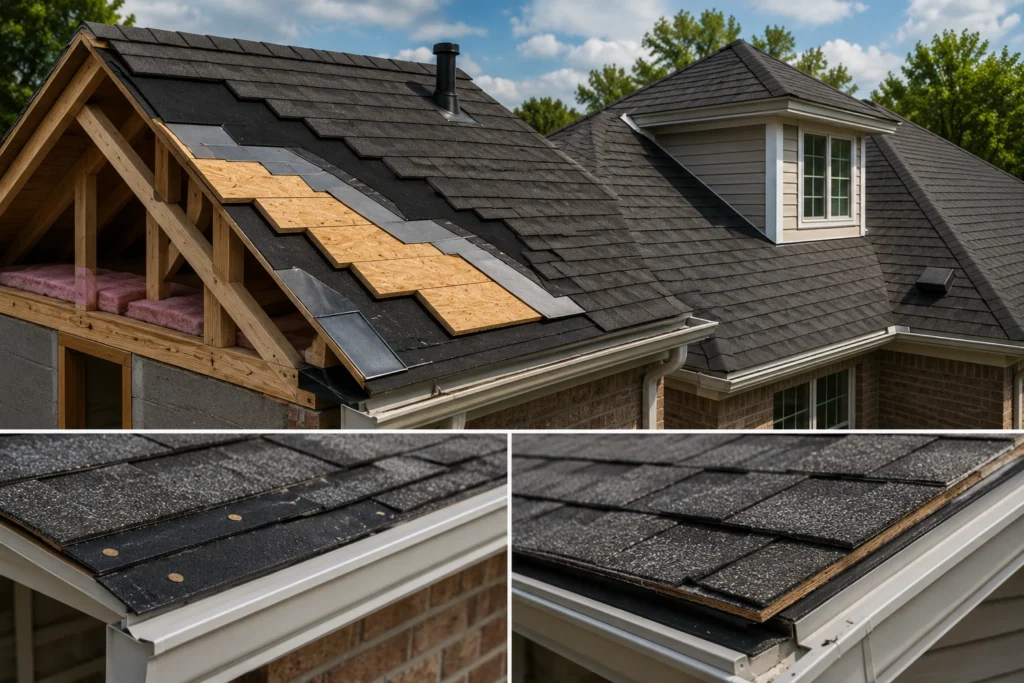
Flashing protects some of the most vulnerable areas of a roof.
Common flashing locations include:
- Chimneys
- Valleys
- Skylights
- Sidewalls
- Roof penetrations
These components direct water away from critical transitions. Even small flashing defects can lead to significant leaks. Yet flashing damage is one of the most common items missed during roof claims. Why? Because flashing often requires close inspection. Minor dents, separation, lifting, or failed seal points may not be obvious during a brief evaluation.
Pipe Jack Flashings: A Small Item That Creates Big Leaks
Few roofing components fail as frequently as pipe jack flashings. These protective boots surround plumbing penetrations.
Over time they become vulnerable to:
- UV exposure
- Wind damage
- Hail impacts
- Material deterioration
Many roof leaks originate around pipe penetrations. Despite their importance, pipe jack flashings are often omitted from claim estimates. A homeowner may receive payment for shingles while the actual source of future water intrusion remains unresolved. Roof Ventilation Systems Deserve More Attention Ventilation affects the long-term health of the entire roofing system.
Components may include:
- Ridge vents
- Soffit vents
- Turbine vents
- Box vents
Storms can damage these materials directly. Even when physical damage is visible, ventilation components may not always appear in claim scopes.
That can create future issues including:
- Heat buildup
- Moisture accumulation
- Reduced shingle lifespan
- Increased attic temperatures
Proper roof restoration involves evaluating the entire system, not just surface materials.
Hail Damage That Insurance Adjusters Commonly Miss
Hail damage is not always dramatic. Many homeowners expect obvious holes or shattered shingles. The reality is often much more subtle. Some of the most serious hail damage develops beneath the surface. Granule Loss Granules protect shingles from ultraviolet exposure. When hail removes granules, long-term deterioration accelerates. The damage may appear minor immediately after the storm. Months later, premature aging becomes apparent.
Shingle Bruising
Bruising occurs when hail impacts damage the internal structure of a shingle. The surface may appear relatively normal. Underneath, however, the roofing mat can become compromised. This hidden damage is frequently disputed because it requires close examination.
Mat Fractures
Severe hail impacts may fracture the underlying reinforcement layer. These fractures weaken the roofing material. They also reduce long-term weather resistance.
Edge Damage
Shingle edges often experience concentrated wind and hail exposure. Damage in these areas may be difficult to identify from ground-level observations.
Why Soft Metal Damage Matters
Experienced roofing professionals often pay close attention to soft metals. Why? Because metal surfaces provide valuable evidence regarding storm severity.
Common examples include:
- Gutters
- Downspouts
- Flashing
- Roof vents
- HVAC fins
- Chimney caps
Fresh dents often indicate recent hail activity. While soft metal damage alone does not prove every shingle is damaged, it frequently supports broader storm-related conclusions. In many claims, these impacts become critical pieces of supporting evidence.
Wind Damage Is Frequently Underestimated
Wind damage behaves differently than hail damage. Instead of creating impact marks, wind often compromises roof integrity through movement. This movement may not always be obvious.
Common examples include:
- Creased shingles
- Lifted tabs
- Broken seal strips
- Missing fasteners
- Displaced materials
A roof can appear functional while sustaining significant wind-related deterioration.
Unfortunately, these issues sometimes go undetected during brief inspections.
Midway through many complex claim disputes, homeowners begin searching for answers and educational resources such as “What Is a Public Adjuster and How to Hire One” because they realize the inspection process may not have captured the full extent of the damage. Understanding available claim assistance options can become important when significant differences exist between contractor findings and insurance estimates.
Additionally, evaluating roofing systems sometimes requires understanding broader technical concepts. For example, professionals involved in building science, engineering, and materials analysis may reference concepts related to tribology, the study of friction, wear, and interacting surfaces, when assessing long-term material degradation.
Hidden Water Damage Insurance Adjusters Frequently Overlook
Water is patient. It does not always create immediate, visible destruction. Instead, it often works quietly behind walls, beneath insulation, and inside structural materials long before anyone notices a problem. This is one of the most important reasons homeowners research what insurance adjusters miss on roof claims after receiving an estimate. The visible roof damage may represent only part of the loss.
Moisture Intrusion Beneath Roofing Materials
Storm damage often creates tiny entry points. A lifted shingle. A damaged flashing component. A compromised pipe boot. These openings may seem insignificant. Yet they can allow water to penetrate the roofing system over time. The problem is that moisture intrusion frequently remains hidden until repair work begins. By then, additional components may already be affected.
Attic Damage Often Goes Unnoticed
Attics provide valuable clues about roof performance. Unfortunately, they do not always receive the same attention as exterior roof surfaces.
Potential signs of hidden roof-related damage include:
- Water stains on decking
- Damp insulation
- Mold growth
- Rusted fasteners
- Dark discoloration around penetrations
A thorough roof claim investigation should consider both exterior and interior evidence.
Insulation Damage Can Increase Repair Costs
Water-saturated insulation loses effectiveness. Once moisture enters insulation materials, performance declines significantly.
This can result in:
- Increased energy costs
- Reduced indoor comfort
- Mold concerns
- Additional replacement expenses
Many homeowners are surprised to learn insulation replacement costs are sometimes omitted from initial claim estimates.
Secondary Interior Damage
Roof leaks rarely remain confined to the roof. Water can migrate. Gravity takes over.
Damage may eventually appear in:
- Ceilings
- Drywall
- Flooring
- Trim
- Cabinets
- Electrical systems
The longer moisture remains undetected, the more extensive repairs may become.
Building Code Upgrades Commonly Missing From Roof Claims
One of the largest sources of disagreement in roof insurance claims involves building code compliance. Insurance estimates sometimes focus on replacing damaged materials. Contractors, however, must often comply with current code requirements. Those are not always the same thing.
Why Building Codes Matter
Codes exist to improve safety and performance. When significant roof repairs occur, local regulations may require upgrades that were not part of the original construction.
Examples may include:
| Code-Related Item | Potential Impact |
| Drip Edge | Required perimeter protection |
| Ice and Water Barrier | Enhanced moisture defense |
| Ventilation Improvements | Better attic airflow |
| Flashing Updates | Improved water management |
| Fastener Requirements | Increased wind resistance |
Failure to account for these items can create substantial pricing differences between contractor estimates and insurance scopes.
Matching Requirements
Roofing repairs become complicated when materials no longer match. A homeowner may have shingles installed years earlier that are now discontinued. Partial repairs can create obvious color differences. Texture differences. Profile differences. Some jurisdictions and policies contain provisions that may affect matching requirements. These issues deserve careful review during claim evaluation.
Roofing Accessories Frequently Excluded From Estimates
Storm damage often extends beyond the primary roofing surface. Yet accessory components are regularly overlooked.
Skylights
Skylights create natural vulnerabilities in roofing systems.
Storm impacts can damage:
- Flashing
- Seals
- Frames
- Surrounding roofing materials
Even if the skylight glass remains intact, supporting components may require attention.
Gutters and Downspouts
Gutters frequently display visible hail damage. Dented gutters not only affect appearance but may also influence drainage performance. Many claim disputes involve whether gutter replacement is warranted.
Chimney Components
Chimneys create multiple roofing transitions. Potentially affected materials include:
- Flashing
- Counter flashing
- Caps
- Masonry joints
Overlooking chimney-related damage can leave significant water entry points unresolved.
Solar Panel Attachments
As solar installations become more common, roof claims become more complex. Storm damage may affect:
- Mounting systems
- Flashing assemblies
- Roofing beneath attachment points
These components require careful evaluation during inspections.
The Problem With Repair-Only Estimates
Insurance carriers sometimes propose limited repairs. In certain situations, repairs make perfect sense. In others, they create long-term complications.
When Repairs May Not Be Practical
Several factors influence repair feasibility:
- Roof age
- Material availability
- Manufacturer requirements
- Extent of damage
- Matching concerns
A repair approach that appears economical initially may create future problems if system integrity cannot be restored properly.
Discontinued Roofing Products
Many roofing products eventually disappear from the market. When replacements are unavailable, matching becomes difficult or impossible. This issue frequently becomes a major point of contention during roof claims.
Manufacturer Installation Requirements
Manufacturers often establish strict installation standards. Failure to follow those requirements may affect warranty eligibility. As a result, repair scopes sometimes expand beyond what initially appears necessary.
How Missed Damage Creates Larger Problems Later
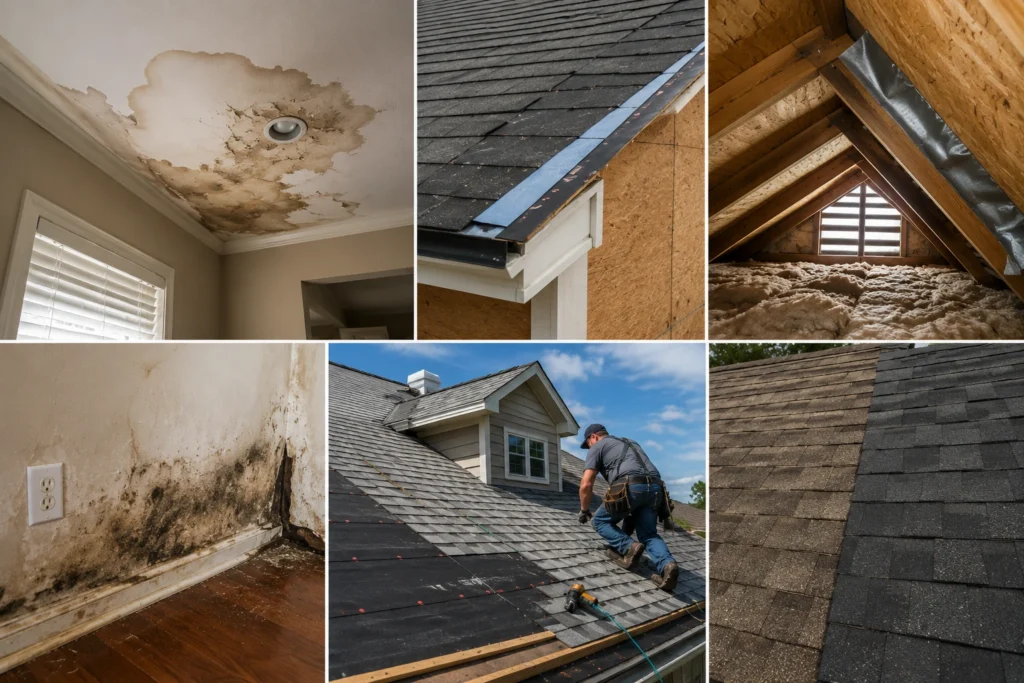
One of the biggest dangers associated with incomplete roof claims is delayed discovery. The claim closes. Repairs are completed. Everyone assumes the issue is resolved.
Then problems begin appearing months later.
Leaks Develop After the Storm
Not all roof leaks occur immediately.
Water intrusion can remain hidden until:
- Heavy rainfall occurs
- Sealants deteriorate
- Materials expand and contract
- Existing damage worsens
Homeowners are often shocked when leaks emerge long after the original claim was settled.
Insurance Carriers May Question Timing
Delayed damage creates another challenge. The longer time passes, the harder it may become to connect new issues directly to the original storm event. Documentation becomes critical. Photographs. Inspection reports. Weather data. Repair records. All of these may help support future discussions.
Supplemental Claims Become Necessary
When additional damage is discovered during repairs, supplemental claims frequently follow. These requests seek payment for items not included in the original estimate. Supplemental claims are common in roofing projects because hidden damage often becomes visible only after tear-off begins.
Warning Signs Your Roof Claim May Be Underscoped
How can homeowners identify potential problems? Several warning signs deserve attention.
The Insurance Estimate Seems Unusually Low
Cost alone does not prove an estimate is incomplete. However, significant differences between multiple professional evaluations warrant further investigation.
Contractors Identify Additional Damage
Roofing contractors often spend substantially more time evaluating roofing systems. If their findings differ dramatically from the insurance scope, additional review may be appropriate.
Important Components Are Missing
Review the estimate carefully.
Look for items such as:
- Flashing
- Starter shingles
- Ridge caps
- Ventilation components
- Underlayment
- Drip edge
Missing components can sometimes indicate an incomplete scope.
The Inspection Was Extremely Brief
Every claim is unique. However, inspections that involve minimal roof access or limited documentation may increase the likelihood that damage was overlooked.
The Estimate Focuses Only on Shingles
A roof is a system. Any estimate addressing only surface materials deserves careful scrutiny.
What Homeowners Should Do After Receiving an Insurance Estimate
Receiving an estimate should not be the end of the process. It should be the beginning of a careful review.
Compare Findings With Independent Inspections
Gather information from qualified roofing professionals. Compare observations. Look for discrepancies. Pay attention to areas where opinions differ.
Review the Scope Line by Line
Many homeowners focus solely on the final dollar amount. That is a mistake. The scope often matters more than the price. A low estimate may simply reflect omitted items.
Photograph Everything
Documentation remains one of the strongest tools available during claim discussions.
Helpful photographs include:
- Roof surfaces
- Gutters
- Flashing
- Interior water stains
- Attic conditions
- Storm-related debris
More documentation is almost always better.
Keep Storm Records
Retain:
- Weather reports
- Inspection reports
- Repair invoices
- Contractor notes
- Correspondence with the insurance carrier
These materials may become valuable later.
Request a Reinspection When Necessary
If significant differences exist between findings, a reinspection may help clarify disputed issues. Additional evidence often improves the quality of these discussions.
How Public Adjusters Help Identify Missed Roof Damage
When homeowners encounter substantial disagreements regarding claim scope, they sometimes seek professional assistance. Public adjusters represent policyholders rather than insurance companies.
Their role typically includes:
- Reviewing policy provisions
- Evaluating damage
- Preparing documentation
- Negotiating claim issues
- Supporting supplemental requests
This can be particularly helpful when questions arise regarding what insurance adjusters miss on roof claims and whether important components have been excluded from the estimate.
Why Accurate Roof Claim Documentation Matters in Forney
North Texas weather can be unforgiving. Property owners in Forney regularly experience storms capable of producing significant hail and wind damage. These weather events rarely affect only one component. Instead, they often impact entire roofing systems. That makes thorough documentation especially important. Homeowners in Forney frequently discover that roof claims involve more than visible shingle damage. Flashing, ventilation systems, gutters, and hidden moisture issues can all influence repair costs. Because severe weather is common throughout the region, property owners in Forney benefit from comprehensive inspections that evaluate the entire roofing assembly rather than focusing solely on surface-level impacts.
The Real Cost of Overlooked Roof Damage
The financial consequences of missed damage can be substantial. A few omitted components may seem insignificant initially. Yet collectively they can represent thousands of dollars in repair costs.
More importantly, unresolved damage can create future problems including:
- Water intrusion
- Structural deterioration
- Mold growth
- Reduced roof lifespan
- Additional claim disputes
The true cost often extends far beyond the original estimate.
Conclusion
Understanding what insurance adjusters miss on roof claims is not about assigning blame. Most adjusters work hard and perform valuable services. However, roofing systems are complex. Storm damage can be subtle. Hidden issues frequently exist beneath the surface. That reality makes independent verification, thorough documentation, and careful estimate review essential parts of the claims process.
Homeowners who take the time to understand their roofing systems, review estimates closely, and investigate discrepancies place themselves in a much stronger position to achieve accurate claim outcomes. When roof damage occurs, the goal should not simply be receiving a payment. The goal should be restoring the property properly. A complete inspection. A complete scope. A complete repair. That is ultimately the best defense against the costly consequences of overlooked roof damage and the reason so many property owners continue researching what insurance adjusters miss on roof claims after a storm.
FAQs
Adjusters commonly miss flashing damage, underlayment issues, ventilation components, starter shingles, and hidden water intrusion.
Yes. Hail can cause bruising, granule loss, and mat fractures that may not be obvious during a surface inspection.
Contractors often spend more time examining the roof and may uncover hidden damage during the repair process.
A supplemental claim requests additional payment for damage or repair items that were not included in the original estimate.
They can be if storm damage is documented and covered under the policy terms.
A second inspection can help identify overlooked damage and provide a clearer understanding of the roof’s condition.
Yes. If the water damage resulted from a covered loss, it may qualify for coverage depending on the policy.
Code-required upgrades can significantly increase repair costs and may need to be included in the claim scope.
Review both scopes carefully and request clarification or a reinspection if major differences exist.
You may consider professional assistance when significant damage appears to be missing from the insurance estimate or claim disputes arise.