
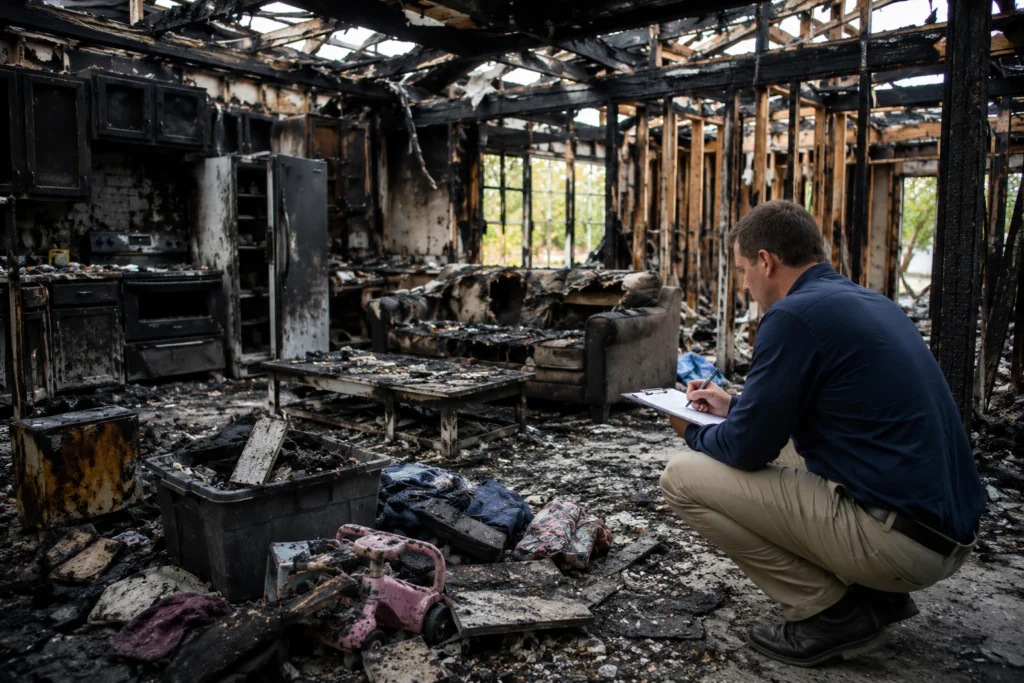
A house fire can change everything in a matter of minutes. One moment, you’re living your normal routine. The next, you’re dealing with emergency crews, damaged belongings, temporary housing, and countless questions about your insurance coverage. In the middle of all that uncertainty, one concern quickly rises to the top: your house fire insurance payout. That concern is completely understandable. They don’t know how insurance companies calculate settlements, what documentation is required, or how long the process will take. Unfortunately, that lack of familiarity can sometimes lead to costly mistakes.
What Is a House Fire Insurance Payout?
A house fire insurance payout is the amount of money an insurance company pays after a covered fire loss. The goal is to compensate the policyholder for covered damages and help restore the property to its pre-loss condition. However, many homeowners assume they will automatically receive enough money to rebuild and replace everything they lost. That assumption can be dangerous. Insurance settlements are influenced by numerous factors, including policy language, coverage limits, depreciation, documentation quality, and damage assessments.
What Fire Insurance Typically Covers
Most homeowners insurance policies include several categories of coverage.
| Coverage Type | What It May Cover |
| Dwelling Coverage | Structural repairs or rebuilding |
| Personal Property Coverage | Furniture, electronics, clothing, valuables |
| Additional Living Expenses | Temporary housing and related costs |
| Detached Structures | Garages, sheds, fences |
| Debris Removal | Cleanup and disposal costs |
Coverage varies from policy to policy, so reviewing your specific contract is essential.
What May Not Be Covered
Not every fire-related expense is automatically reimbursed. Common limitations may include:
- Policy exclusions
- Certain vacant property situations
- Intentional acts
- Maintenance-related issues
- Coverage limits that are lower than rebuilding costs
This is why understanding your policy before accepting any settlement offer is so important.
How Insurance Companies Calculate a House Fire Insurance Payout
One of the biggest surprises homeowners face is learning that insurers do not simply write a check based on the damage they see. There is a process. and it can be complicated.
Replacement Cost vs. Actual Cash Value
This distinction often determines thousands or even tens of thousands of dollars.
Replacement Cost Value (RCV) generally covers the cost of replacing damaged property with new materials of similar quality.
Actual Cash Value (ACV)
factors in depreciation. Consider a ten-year-old roof. A replacement cost policy may pay for a new roof, subject to policy terms. An actual cash value policy may reduce the payment based on the roof’s age and condition. The difference can be substantial.
Policy Limits Matter
Even if damages exceed rebuilding costs, your insurer generally will not pay beyond the limits listed in your policy. For example:
| Coverage Category | Policy Limit |
| Dwelling | $400,000 |
| Personal Property | $200,000 |
| ALE | $80,000 |
If rebuilding costs rise to $500,000 but dwelling coverage is capped at $400,000, the homeowner could face a significant financial gap.
Depreciation Reduces Initial Payments
This process often creates confusion. Some homeowners mistakenly believe the first payment represents the final settlement. It often does not.
Construction Costs Continue to Rise
Building materials rarely stay the same price for long. Labor shortages, supply chain disruptions, permit requirements, and local demand can all affect reconstruction costs.
Average House Fire Insurance Payout Amounts
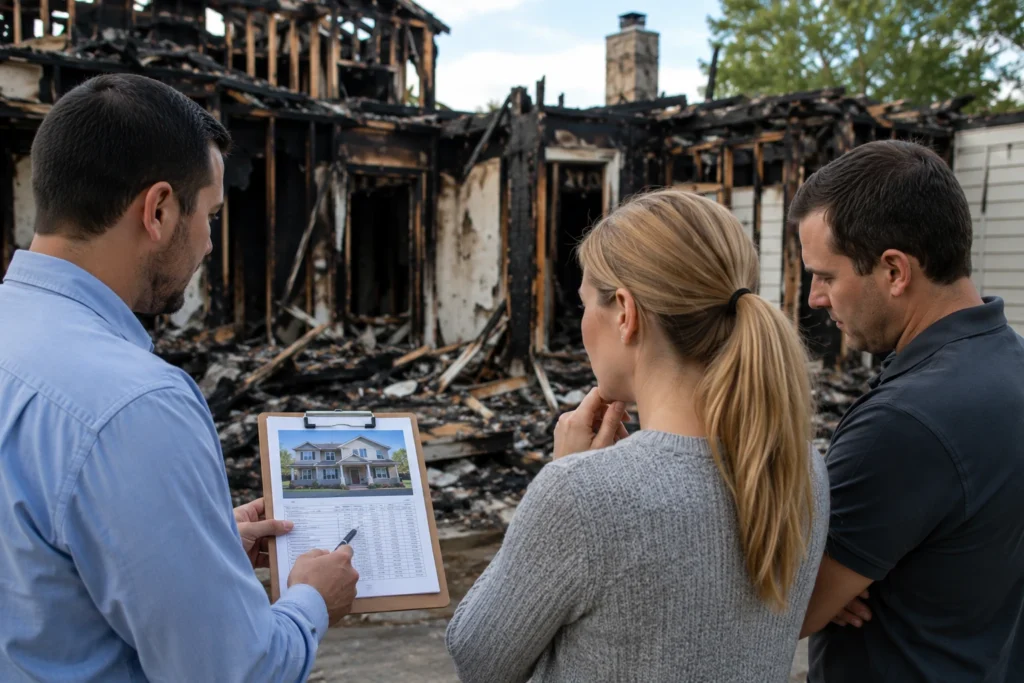
Homeowners often ask one question first. Every loss is unique.
Factors That Influence Settlement Amounts
Insurance payouts depend on:
- Size of the home
- Extent of fire damage
- Smoke contamination
- Water damage from firefighting efforts
- Local construction costs
- Policy limits
- Personal property losses
Even neighboring homes affected by similar fires may receive very different settlements.
Minor Fire Damage Claims
Smaller losses often involve:
- Kitchen fires
- Electrical fires
- Appliance malfunctions
- Limited smoke damage
These claims may involve repairs to one or two rooms and replacement of affected contents.
Partial Fire Damage Claims
Moderate losses can affect:
- Multiple rooms
- Structural framing
- Electrical systems
- Roofing materials
- HVAC systems
These claims frequently require extensive repairs and often involve supplemental negotiations.
Total Loss Claims
The largest fire claims involve complete destruction. In these situations, the insurance claim may include:
- Full rebuilding costs
- Complete contents replacement
- Temporary housing expenses
- Debris removal
- Engineering evaluations
- Permit costs
These claims can remain open for months or even years depending on complexity.
Why Every Fire Claim Is Different
A fire claim is not like buying a product with a fixed price. Every structure is different, policy is different, loss presents unique challenges.
The House Fire Insurance Claim Process Step-by-Step
Understanding the claim process helps homeowners make better decisions at every stage. Let’s walk through what typically happens.
Step 1: Emergency Mitigation
The first priority is safety. This may include:
- Board-up services
- Roof tarping
- Water extraction
- Temporary fencing
- Security measures
Insurance companies often expect homeowners to take reasonable action to protect the property after a loss.
Step 2: Report the Fire Loss
Prompt reporting is essential.
- Date of loss
- Cause of fire if known
- Property address
- Contact information
- Initial damage description
The sooner the claim begins, the sooner recovery efforts can move forward.
Step 3: The Insurance Inspection
An insurance adjuster will inspect the property. This inspection helps determine:
- Scope of damage
- Cause of loss
- Potential coverage issues
- Initial repair estimates
Many homeowners assume this inspection captures everything. Fire damage often extends beyond what is immediately visible.
Smoke Damage Can Travel Everywhere
Smoke doesn’t stay in one room. It moves. Through vents, walls, insulation. Even areas untouched by flames may require cleaning or replacement.
- HVAC systems can become contaminated.
- Insulation can absorb odors.
- Electronics may suffer corrosion.
- Cabinets may retain smoke residue.
These issues are frequently underestimated during early inspections.
Hidden Structural Damage
Engineers and contractors may identify issues involving:
- Roof framing
- Floor systems
- Wall assemblies
- Load-bearing components
Additional damage is often discovered after demolition begins.
Advanced Documentation Methods
For larger or more complex fire losses, experts may use technologies such as photogrammetry to create precise measurements and detailed visual records of damaged structures. These digital models can help document conditions before repairs begin, support more accurate estimates, and provide additional evidence when evaluating the full scope of fire and smoke damage.
Step 4: Preparing a Personal Property Inventory
This step is frequently overwhelming. The more detailed the inventory, the stronger the claim. Include:
- Item descriptions
- Approximate purchase dates
- Brand names
- Model numbers
- Purchase receipts when available
- Photos or videos
Many people underestimate how quickly personal property losses accumulate. A single room can contain thousands of dollars in contents. A whole house can contain hundreds of thousands.
A Helpful Inventory Approach
Rather than thinking about major items only, work room by room. Document:
Kitchen
- Appliances
- Cookware
- Utensils
- Food
Bedrooms
- Furniture
- Clothing
- Jewelry
- Electronics
Living Areas
- Televisions
- Artwork
- Decor
- Furniture
The level of detail matters.
Step 5: Reviewing the Insurance Estimate
Once the insurer prepares its estimate, homeowners should review it carefully. Never assume it is complete. Look for:
- Missing rooms
- Missing contents
- Incomplete repairs
- Low material quantities
- Omitted code upgrades
This stage can have a significant impact on the final house fire insurance payout. One overlooked item may seem small. A hundred overlooked items can become a major financial issue.
Understanding Complex Loss Evaluations
Large fire claims often involve multiple experts. You may encounter:
- Engineers
- Restoration contractors
- Estimators
- Environmental specialists
- Contents experts
Step 6: Settlement Negotiations
Not every estimate is final. Contractor estimates may differ from insurance estimates. Hidden damage may emerge. Code requirements may increase costs. As negotiations continue, supplemental requests are often submitted to account for newly discovered damage or overlooked repairs. Many homeowners researching The Truth Behind Public Adjuster Fees are surprised to learn that professional representation is often sought only after significant differences emerge between contractor estimates and insurance valuations. At this stage, documentation becomes your strongest asset. Photos. Reports. Receipts. Contractor evaluations. Everything matters.
Step 7: Receiving the Final Payout
Many homeowners expect a single check to arrive once the claim is approved. That rarely happens. Most fire claims involve multiple payments issued throughout the process.
- Initial emergency funds
- Actual cash value payments
- Additional living expense reimbursements
- Supplemental claim payments
- Recoverable depreciation payments
A smaller claim may be resolved within weeks. A major fire loss could remain active for many months.
Understanding Recoverable Depreciation
One of the most misunderstood parts of a fire claim involves recoverable depreciation. Let’s say an insurer values damaged flooring at $20,000 replacement cost but withholds $5,000 in depreciation. The homeowner may initially receive $15,000. After repairs are completed and documentation is submitted, the remaining $5,000 may be released if the policy allows. Many homeowners leave money unclaimed simply because they do not understand this process. Reviewing every payment carefully is critical.
What Can Reduce Your House Fire Insurance Payout?
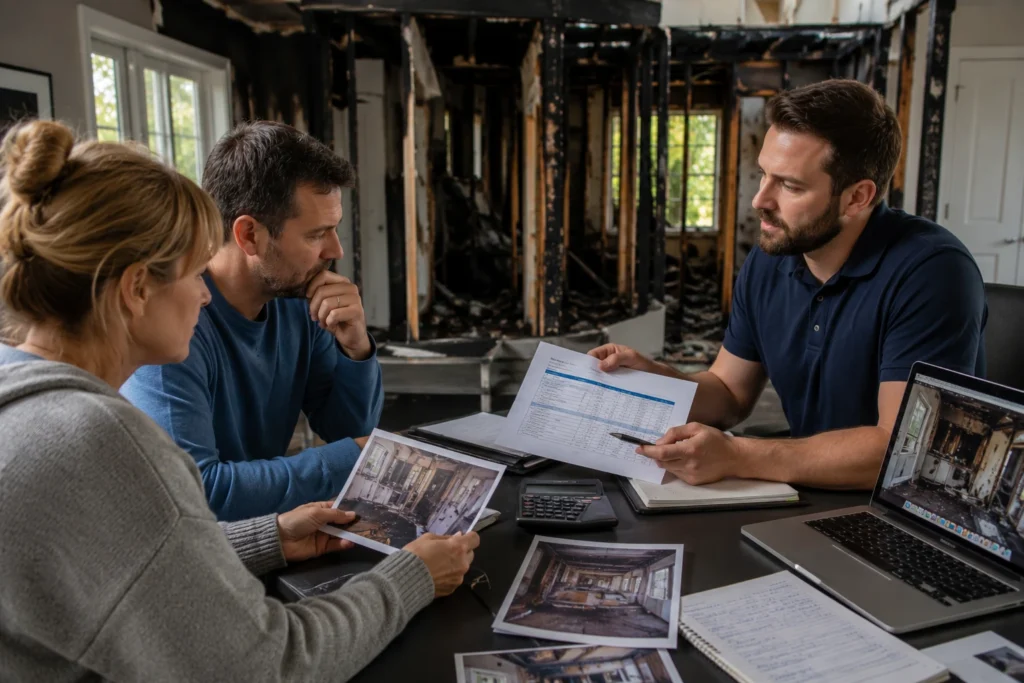
Not every claim reaches its full potential value. Several common mistakes can reduce compensation. Some are preventable. Others are not. Knowing the difference matters.
Incomplete Documentation
Insurance companies rely heavily on documentation.
- Structural damage
- Smoke contamination
- Personal belongings
- Temporary living expenses
The more evidence available, the stronger the claim.
Missing Personal Property Items
Contents inventories often contain omissions. People remember major purchases. They forget everyday items. That can become expensive. Think about:
- Kitchen utensils
- Bedding
- Shoes
- Tools
- Seasonal decorations
- Small electronics
Individually, these items seem insignificant. Collectively, they can represent thousands of dollars.
Underinsurance Problems
Some homes are simply underinsured. This occurs when policy limits fail to keep pace with rising construction costs. Unfortunately, homeowners often discover this issue after a major fire. At that point, options may be limited.
Policy Exclusions
Coverage is never unlimited. Certain losses may be restricted or excluded altogether. Policy language controls the outcome. Reading the policy carefully can help identify potential limitations before disputes arise.
Delayed Reporting
Prompt reporting is important. Unexplained delays may create unnecessary complications. The sooner documentation begins, the easier it becomes to establish the full extent of the loss.
Failure to Prevent Further Damage
Insurance policies generally require homeowners to take reasonable steps to protect the property after a loss. Examples include:
- Boarding broken windows
- Covering damaged roofs
- Removing standing water
Failing to do so may create additional coverage challenges.
Smoke Damage and Hidden Fire Damage Are Often Overlooked
When people think about fire losses, they picture flames. The reality is often different. Smoke frequently causes some of the most expensive damage.
Smoke Damage Goes Far Beyond Soot
Contains microscopic particles. Those particles travel throughout the structure. They settle on:
- Walls
- Furniture
- Clothing
- Electronics
- HVAC systems
Odors can linger for months if proper remediation is not performed.
Structural Damage Behind Walls
Visible damage tells only part of the story. Heat can affect framing components hidden behind drywall. These areas often require additional investigation. Contractors may discover:
- Charred framing
- Heat-weakened materials
- Hidden moisture damage
- Compromised insulation
Such discoveries often lead to supplemental claim requests.
Electrical System Damage
Fire and heat can affect wiring systems in ways that are not immediately visible. Potential concerns include:
- Melted insulation
- Damaged connections
- Heat-related deterioration
- Safety hazards
Qualified evaluations are often necessary.
HVAC Contamination
Smoke residue inside HVAC systems can spread contamination long after the fire is extinguished. Without proper cleaning or replacement, odors may continue circulating throughout the home. This issue is frequently underestimated.
Water Damage From Firefighting Efforts
Fire departments save lives and structures. Affected areas may include:
- Flooring
- Cabinets
- Drywall
- Insulation
- Structural components
A comprehensive claim should account for both fire and water damage.
Why Supplemental Claims Are Common
Many fire claims evolve over time. Additional damage is frequently discovered after demolition begins. That is normal. Supplemental claims are often necessary because the full scope of damage simply cannot be seen during the initial inspection.
Additional Living Expense (ALE) Coverage Explained
After a serious fire, many families cannot remain in their homes. This is where Additional Living Expense coverage becomes extremely important.
What ALE Coverage Pays For
ALE coverage may reimburse expenses beyond your normal living costs. Common examples include:
- Hotel stays
- Rental homes
- Increased food expenses
- Laundry services
- Pet boarding
- Storage costs
The goal is to maintain a reasonably similar standard of living while repairs are underway.
Common ALE Documentation Mistakes
Many homeowners fail to save receipts. That can create reimbursement problems later. Keep records for:
- Meals
- Lodging
- Fuel
- Temporary housing costs
- Household necessities
Organization pays off. Some policies specify time limits. Others limit payments based on policy maximums.
House Fire Insurance Payout Disputes
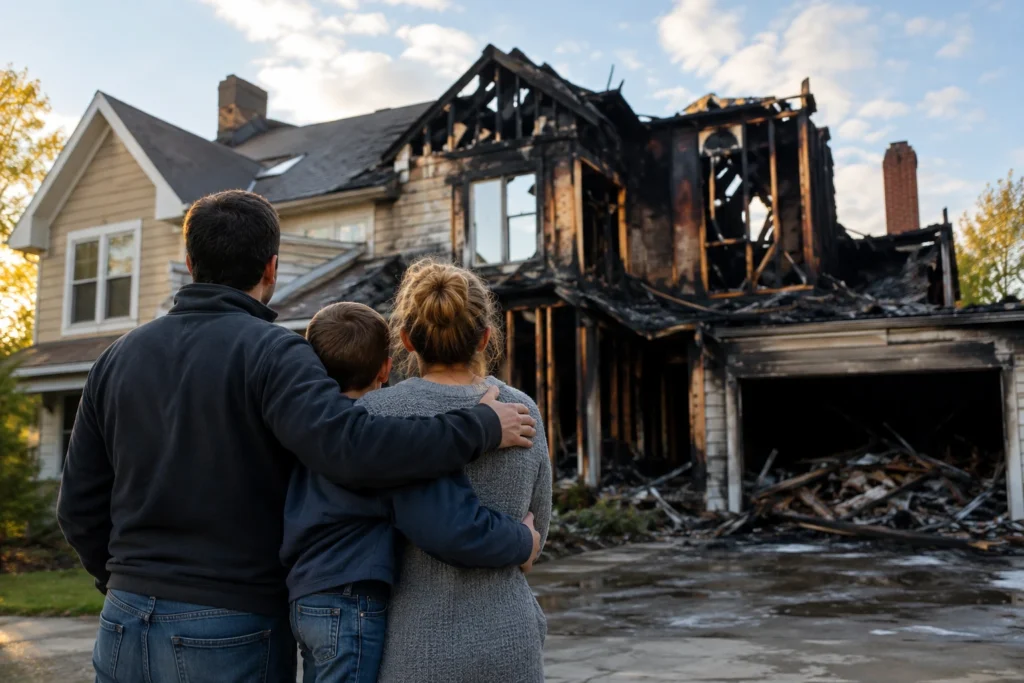
Not every claim proceeds smoothly.
Low Settlement Offers
Perhaps the most common dispute involves valuation. . Contractor estimates frequently reveal substantial differences.
Repair Scope Disagreements
The insurer may propose repairing damaged materials. Contractors may recommend replacement. These disagreements can have a major impact on the final settlement amount.
Contents Valuation Disputes
Personal property claims often become contentious. Disputes may arise regarding:
- Item values
- Depreciation rates
- Replacement costs
- Quantity of damaged property
Detailed documentation can help resolve many of these issues.
Replacement Cost Conflicts
Material quality matters. A homeowner expecting replacement with comparable materials may disagree with an estimate based on lower-cost alternatives. These situations require careful review. Rebuilding may require:
| Code Upgrade Area | Potential Impact |
| Electrical Systems | Safety improvements |
| Insulation | Energy efficiency compliance |
| Roofing | Enhanced protection standards |
| Structural Components | Updated engineering requirements |
If code upgrades are overlooked, reconstruction costs may increase significantly.
Payment Delays
Large claims take time. However, unnecessary delays can create serious financial strain. Homeowners should maintain regular communication and document all interactions throughout the claim process.
How to Maximize Your House Fire Insurance Payout
A successful claim rarely happens by accident. It requires organization, persistence, and attention to detail.
Document Everything Immediately
Take photographs. Take videos. Take more photographs. Documentation created immediately after a loss is often the most valuable evidence available.
Save Every Receipt
Small expenses add up quickly. Create a dedicated folder for:
- Housing expenses
- Food costs
- Repairs
- Cleaning services
- Temporary purchases
Nothing is too small to document.
Build a Detailed Contents Inventory
Specificity matters. Instead of writing: “Television” Write: “Samsung 65-inch 4K Smart Television purchased in 2023” Details improve claim accuracy.
Obtain Independent Contractor Estimates
Independent evaluations often reveal items missing from insurance estimates. Multiple estimates can provide useful perspective.
Understand Your Policy
Many claim disputes stem from misunderstandings. Knowing your:
- Coverage limits
- Deductibles
- Endorsements
- Exclusions
Large Fire Losses
The bigger the loss, the greater the potential financial stakes. Large claims often involve extensive documentation and negotiation.
Total Loss Claims
When a home is destroyed, rebuilding costs, contents inventories, and code requirements can create significant complexity. Professional guidance may help homeowners navigate these challenges.
Complex Smoke Damage Claims
Smoke-related disputes are common. Because contamination can spread far beyond visible damage, thorough evaluation becomes essential.
Underpaid Settlements
If settlement figures appear significantly lower than contractor estimates, further review may be warranted.
Claim Denials
Denied claims deserve careful analysis. The reason for denial often determines what options remain available.
Benefits of Professional Representation
Public adjusters work on behalf of policyholders rather than insurance companies. Their role typically involves:
- Damage documentation
- Claim preparation
- Estimate review
- Negotiation assistance
- Supplemental claim support
The value of representation depends on the specifics of the claim.
Why Fire Claims in Forney Require Careful Evaluation
Construction costs continue to evolve throughout Texas. That reality affects homeowners recovering from major fire losses.
Rising Reconstruction Costs
Labor availability, material pricing, and local demand can significantly influence rebuilding expenses. What seemed like adequate coverage several years ago may no longer reflect today’s costs.
Building Code Requirements
Many rebuilding projects must comply with current standards rather than the standards that existed when the home was originally built. These requirements can increase overall project costs.
Local Recovery Challenges
Homeowners in Forney often face the same challenges seen throughout rapidly growing communities:
- Higher contractor demand
- Increased material costs
- Permit requirements
- Longer reconstruction timelines
These factors can influence the overall house fire insurance payout process.
Protecting Financial Recovery
For homeowners in Forney, careful claim documentation is often one of the most effective ways to protect recovery efforts. The stronger the evidence, the easier it becomes to support repair costs, contents losses, and additional living expenses. Whether the fire involves smoke damage, partial structural loss, or complete destruction, attention to detail can make a substantial difference.
Conclusion
Recovering from a fire is rarely simple. The emotional impact is significant. The financial challenges can be equally overwhelming. Yet understanding how a house fire insurance payout works puts homeowners in a stronger position from the very beginning. Every claim is unique, policy is different, loss presents its own challenges.
The homeowners who achieve the best outcomes are often those who document thoroughly, understand their coverage, review estimates carefully, and address discrepancies before accepting a final settlement. For homeowners in Forney and throughout Texas, preparation and persistence can make a meaningful difference when navigating a fire insurance claim. A well-supported claim helps ensure that recovery efforts are focused not on disputes, but on rebuilding and moving forward after the loss.
FAQs
Most fire insurance claims take several weeks to several months, depending on the extent of the damage and claim complexity.
Yes, most homeowners policies cover smoke damage when it results from a covered fire loss.
Many policies include Additional Living Expense coverage that helps pay for temporary housing and related costs.
Replacement cost covers the cost to replace damaged property with new items, while actual cash value subtracts depreciation.
Yes, homeowners can challenge settlement offers if they believe damages were undervalued or overlooked.
Ensure everyone is safe, report the loss to your insurer, document damage, and take reasonable steps to prevent further damage.
Most policies provide coverage for personal property, subject to policy limits, exclusions, and documentation requirements.
Additional damage is frequently discovered during repairs, leading to supplemental claims and revised settlement amounts.
Yes, independent contractor estimates can help identify overlooked damage and provide a more accurate repair scope.
A public adjuster may be helpful for large losses, disputed claims, underpayments, or complex fire damage situations.